Production Lines & Custom Fabrication
Turnkey Cream Cheese Production Line
We engineer the cream cheese line by its flow, not machine by machine. Layout, capacity balance, installation, and commissioning are handled by one team.
In short
A cream cheese production line is a machine sequence that links 9 process steps, from milk reception to hot-fill preparation, balanced for capacity. Aktaş Krom typically engineers lines processing 2–20 tonnes of milk per day, turnkey or partial. Layout drawing, installation, commissioning, and trial production are included in the scope.
- Milk processing
- 2–20 t/day
- Reception to hot-fill prep
- 9 steps
- Design + installation
- Turnkey
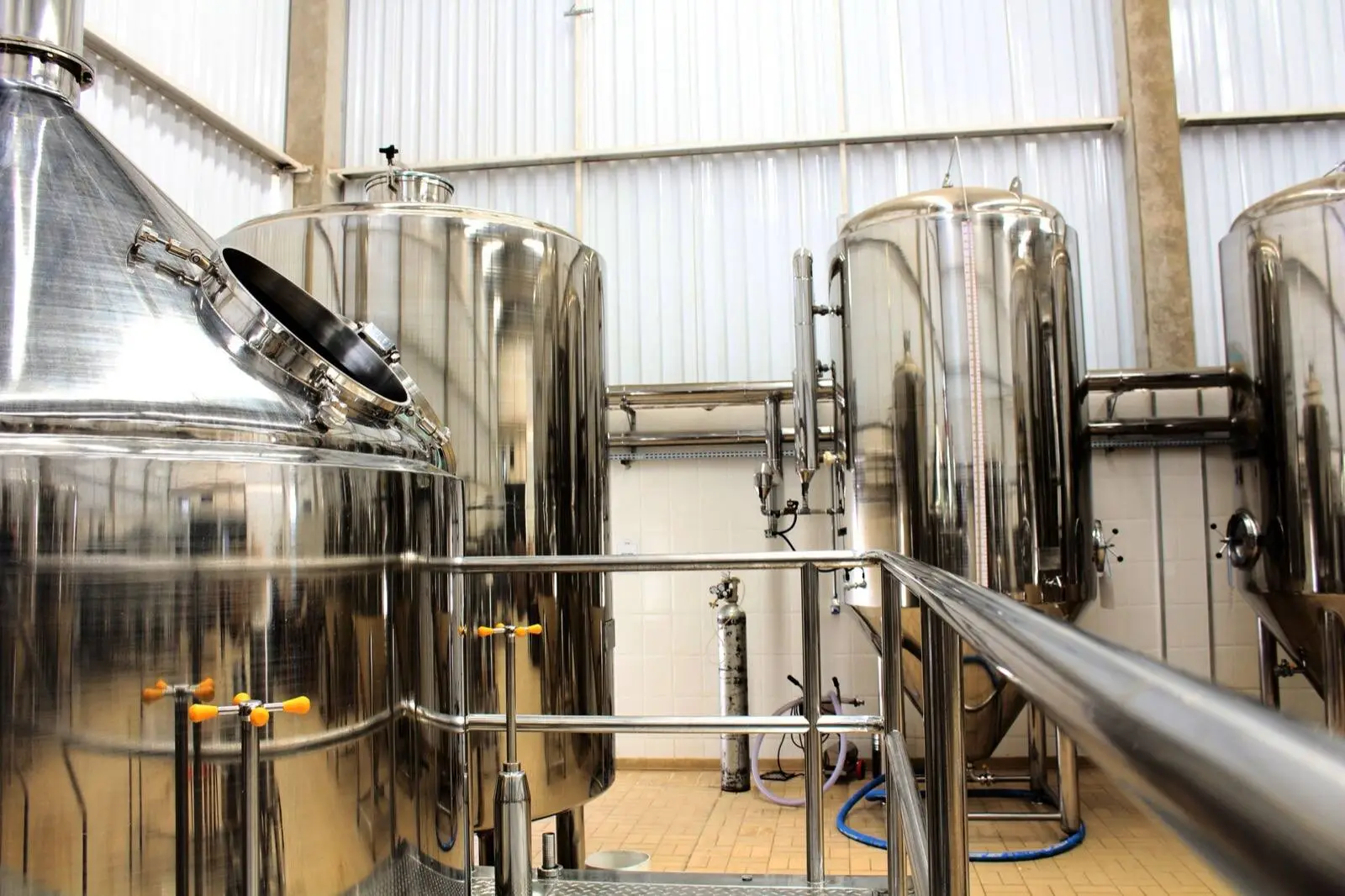
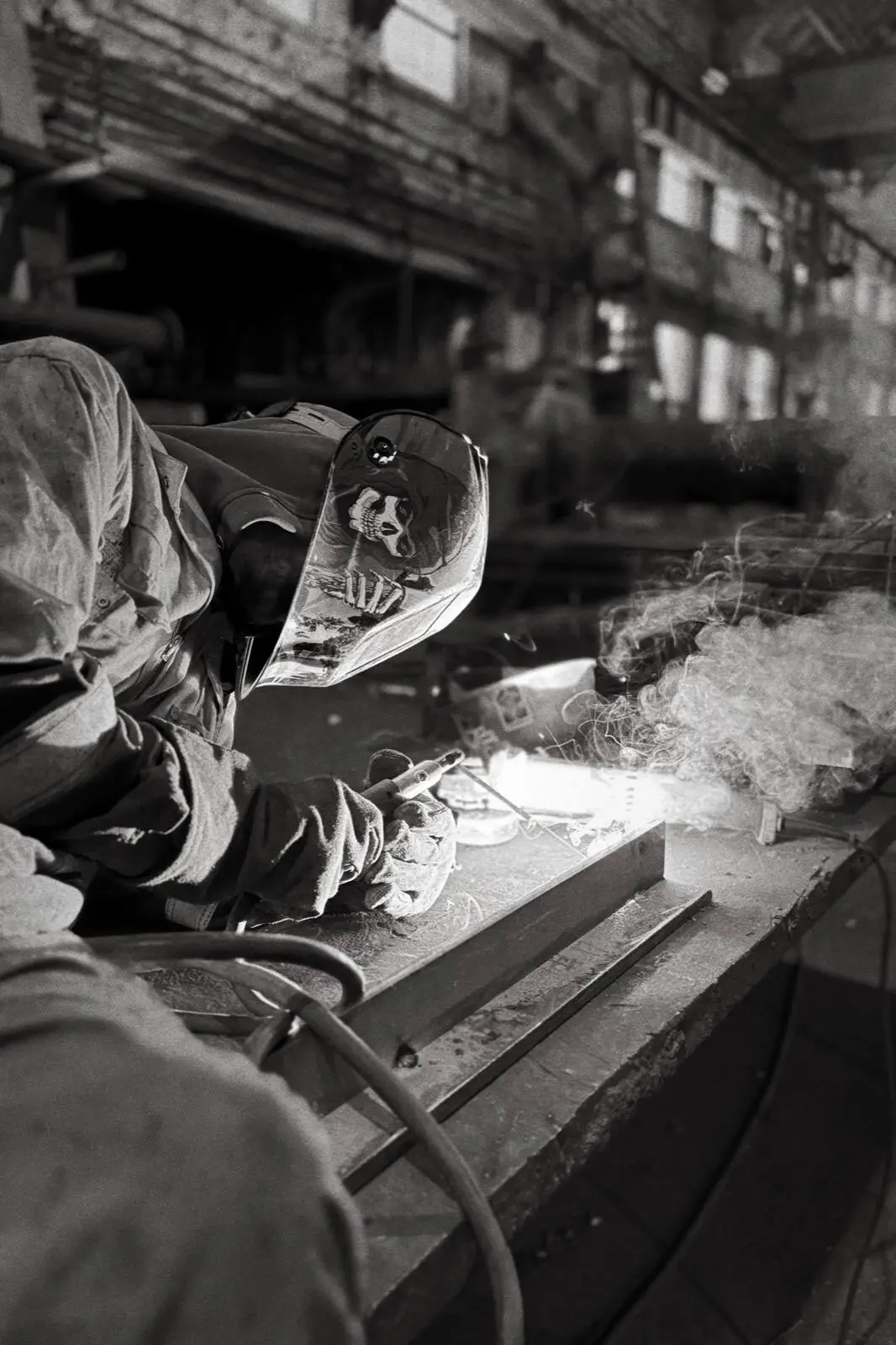
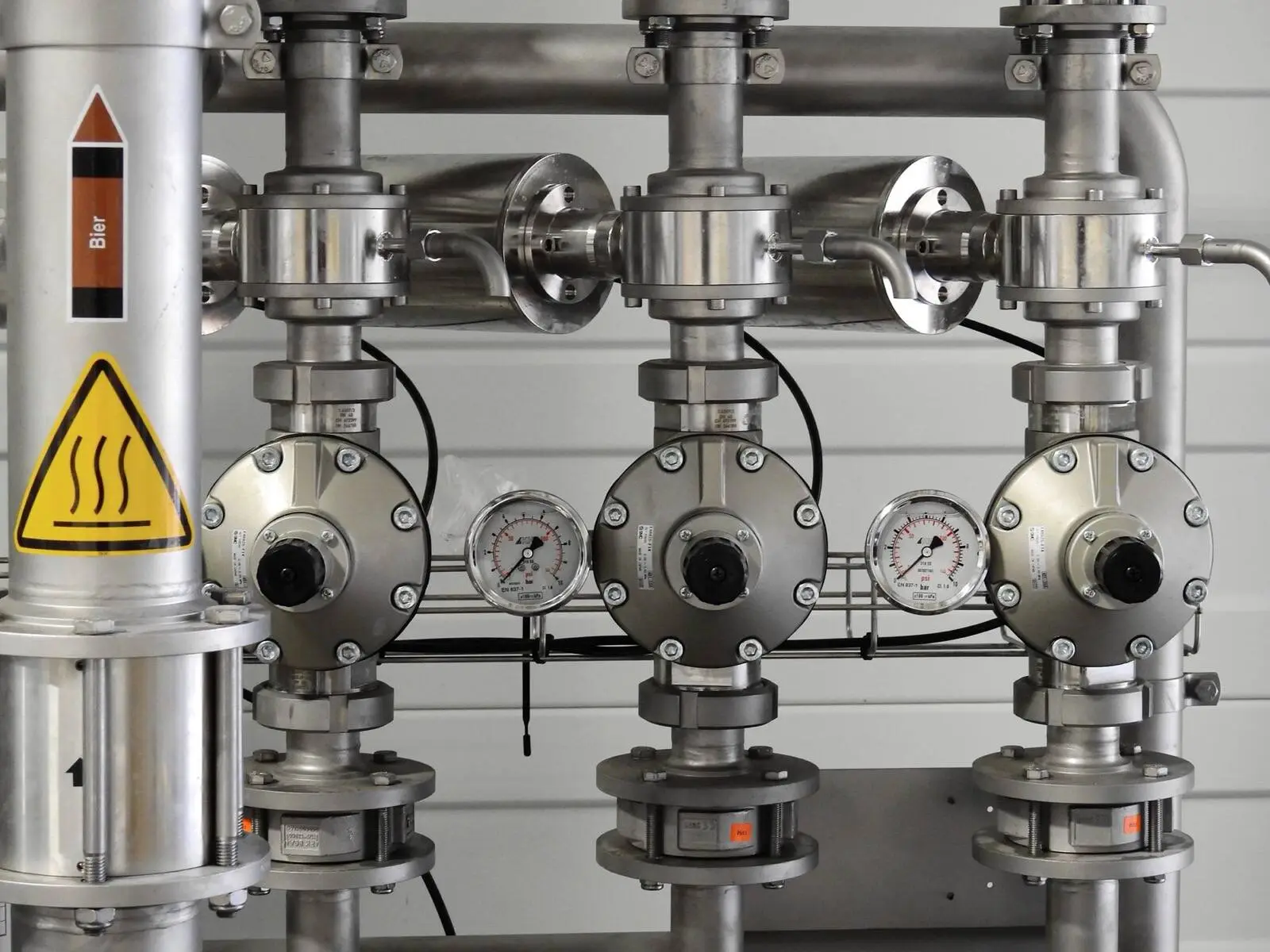
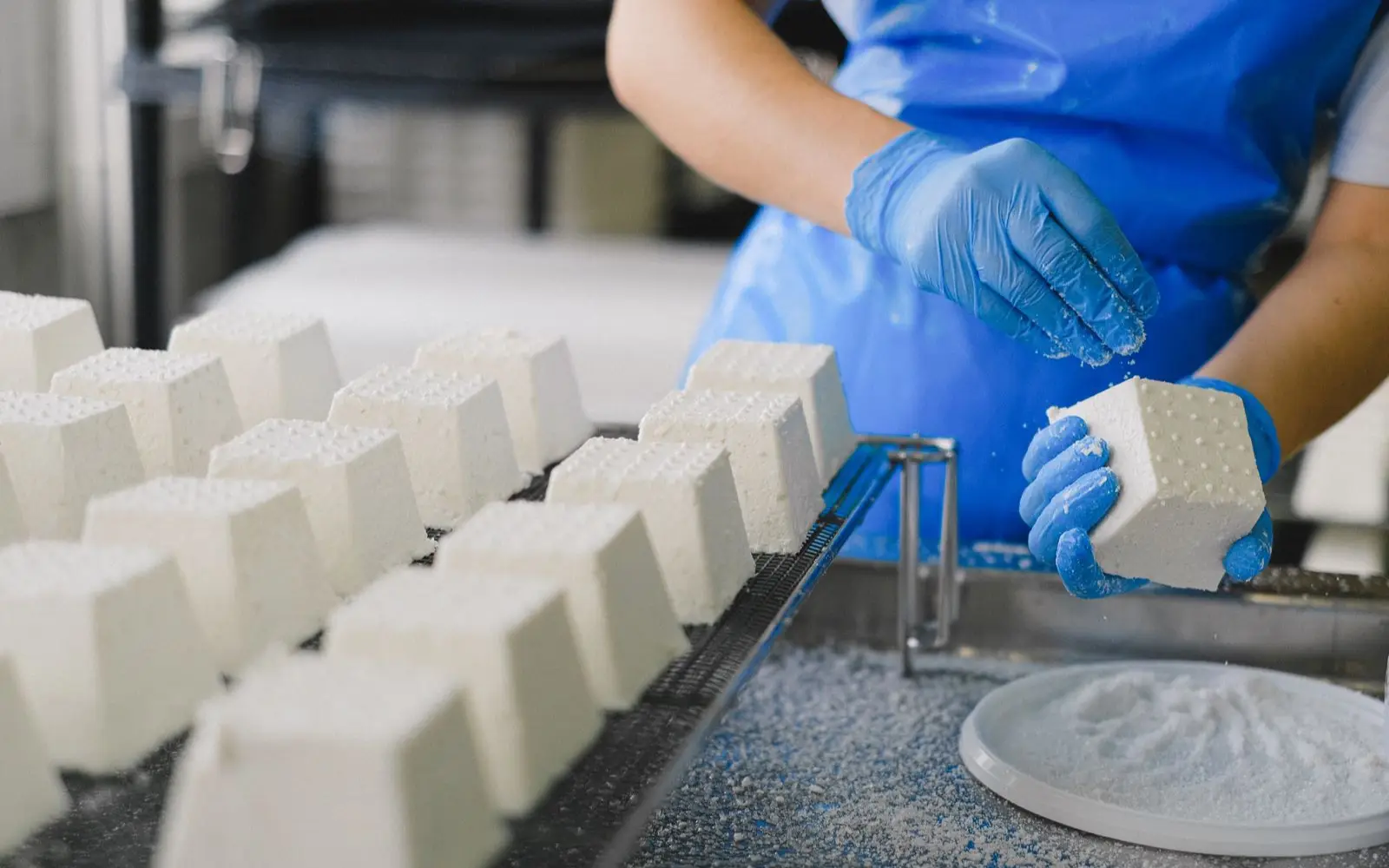
Image is representative; the actual product may differ per project.
Image is representative; the actual product may differ per project.
Production Lines & Custom Fabrication
About the product
Cream cheese quality depends on how well fermentation, curd separation, and cooking-homogenizing work together. If the draining unit and the cooker are not capacity-matched, the line bottlenecks. Designing as a line sets this balance from the start.
The layout drawing, energy, water, and steam demand, and machine capacities are calculated together. The pasteurizer, process tanks, draining unit, and cooker are our own fabrication; steps such as the separator, homogenizer, and filling machine are integrated into the line. Installation and trial production are included in the scope.
The line can be added to an existing plant or built from scratch. Besides cream cheese, the same line can be set up for labneh and strained cheese; steps can be selected as needed.
Who is it for?
- Investors building a new cream cheese or labneh facility from scratch
- Milk processors who want to integrate a cream cheese line into an existing plant
- Plants facing capacity mismatch from buying machines one by one
- Producers who want design, fabrication, installation, and commissioning from one team
When is it not suitable?
- Plants that need only a single machine do not need a line project; that machine can be considered separately.
- For very small production below 2 tonnes of milk per day, a line investment may be disproportionate.
Key features
- Capacity-balanced line engineering
- Layout drawing
- All contact surfaces in stainless steel
- Separator, homogenizer, and filling machine integration
- Installation, commissioning, and trial production
- Operator training
Use cases
- Newly built cream cheese and labneh plants
- Dairies increasing capacity
- Producers widening their range from white cheese to cream cheese
- Cooperatives
Technical specs
- Material
- AISI 304 stainless steel; AISI 316L on product-contact surfaces on request
- Capacity
- 2–20 tonnes of milk/day (typical)
- Product output
- ~12–20% yield relative to milk, by product type (typical)
- Product types
- Cream cheese, labneh, strained cheese
- Energy
- Steam, electric, or natural gas options
- Scope
- Design + fabrication + installation + commissioning
- Automation
- From manual to PLC semi-automatic
- Cleaning
- Compatible with CIP infrastructure
Values shown are typical industry ranges; exact figures are set in the quote based on capacity and site.
Last updated:
Get a quote for this product
Share daily milk volume and how you’ll use it; we’ll respond with a capacity recommendation and quote.
Request a quote0536 374 98 38Monday – Saturday · 08:30 – 18:00. See the FAQ for technical questions. FAQ.
Line flow: from milk to cream cheese ready for filling
- 01
Milk reception
Milk is filtered, de-aerated, and measured.
View machine → - 02
Cooling and storage
+4 °CMilk is kept cold until processed.
View machine → - 03
Standardization
Fat content is adjusted to the target product; a separator is integrated into the line.
- 04
Pasteurization and homogenization
72–75 °CThe mix is made safe by heat treatment; a homogenizer is integrated.
View machine → - 05
Culture addition and fermentation
20–30 °C, pH ≈ 4.6Starter culture is added; the milk acidifies and sets.
View machine → - 06
Curd separation and draining
Curd is separated from whey; a separator or ultrafiltration can be integrated as an alternative.
View machine → - 07
Cooking, mixing, homogenizing
75–85 °CThe curd is heated with salt and stabilizer into a smooth, homogeneous mass.
View machine → - 08
Hot filling
The hot mass is filled into packs; a filling machine is integrated into the line.
- 09
Cooling and storage
+4 °CThe product is cooled in a controlled way and held in cold storage.
Optional equipment
- CIP washing station
- Steam generator
- Chiller / ice water
- Separator or ultrafiltration integration
- Hot-fill machine connection
- Whey tank
- Remote monitoring / SCADA
What determines the price?
- Daily milk processing capacity (target within the 2–20 tonne range)
- Number of machines and steps included in the line (all 9 steps or partial)
- Curd separation method: bag draining, separator, or ultrafiltration
- Material grade: AISI 304, or 316L on product-contact surfaces
- Heating type, cooling infrastructure, and automation level
- Building and utility compatibility (energy, water, steam), CIP, installation, and shipping distance
For an exact price, tell us your daily milk volume and how you will use it.
Request a quote