Cheese & Kashar Equipment
Labneh and Cream Cheese Draining Unit — Stainless Steel
The draining unit separates fermented curd from its whey in a controlled way. It is engineered to the target dry matter, draining time, and ambient temperature.
In short
A labneh and cream cheese draining unit is a stainless steel machine that separates fermented milk curd from whey. It typically drains 200–5,000 L of curd per batch in 6–18 hours. It works with a bag or perforated tray layout, can be used in a cold room, and expands modularly by capacity.
- Curd per batch
- 200–5,000 L
- Draining time
- 6–18 hours
- Stainless steel
- 304 / 316L
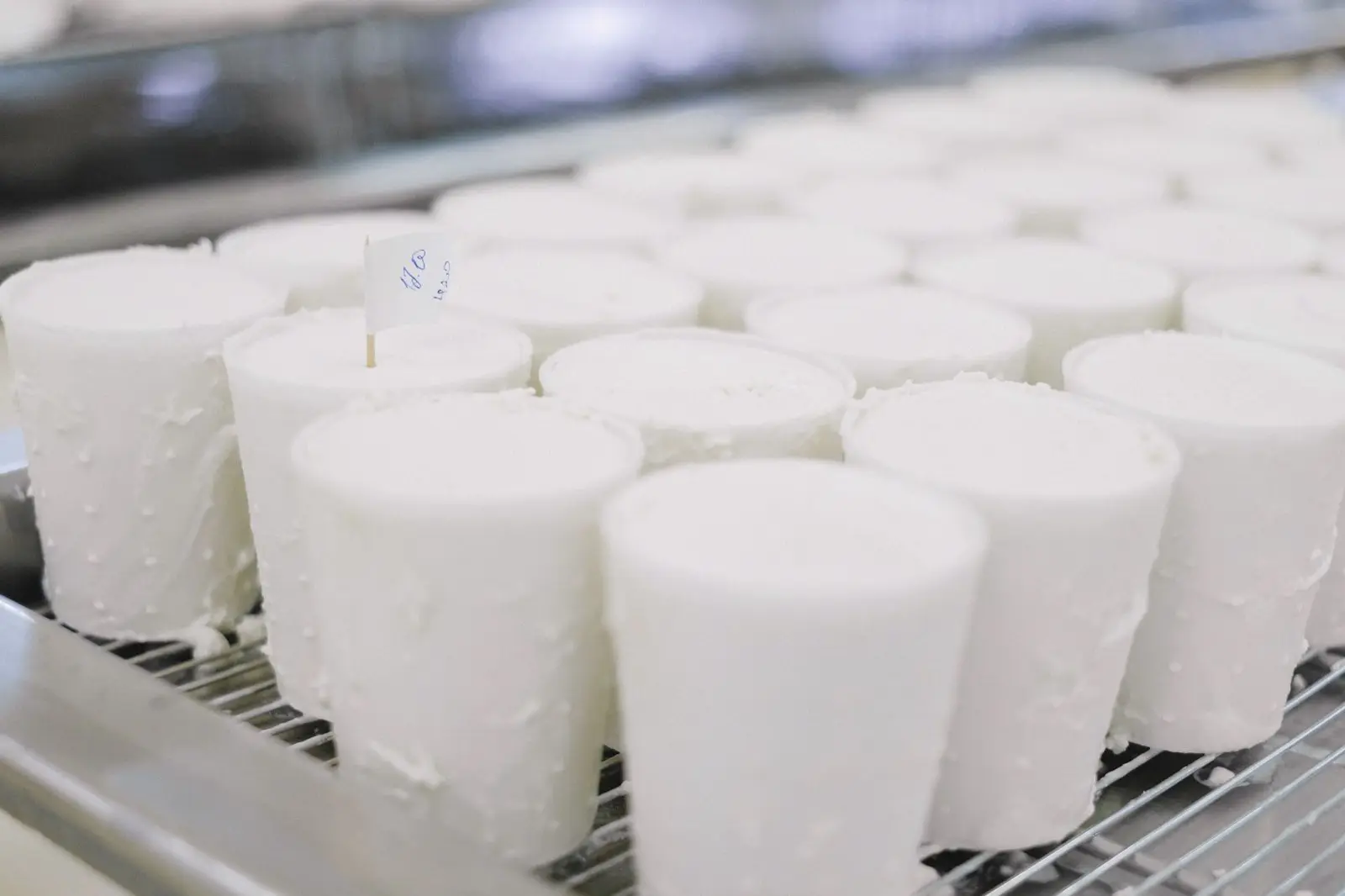
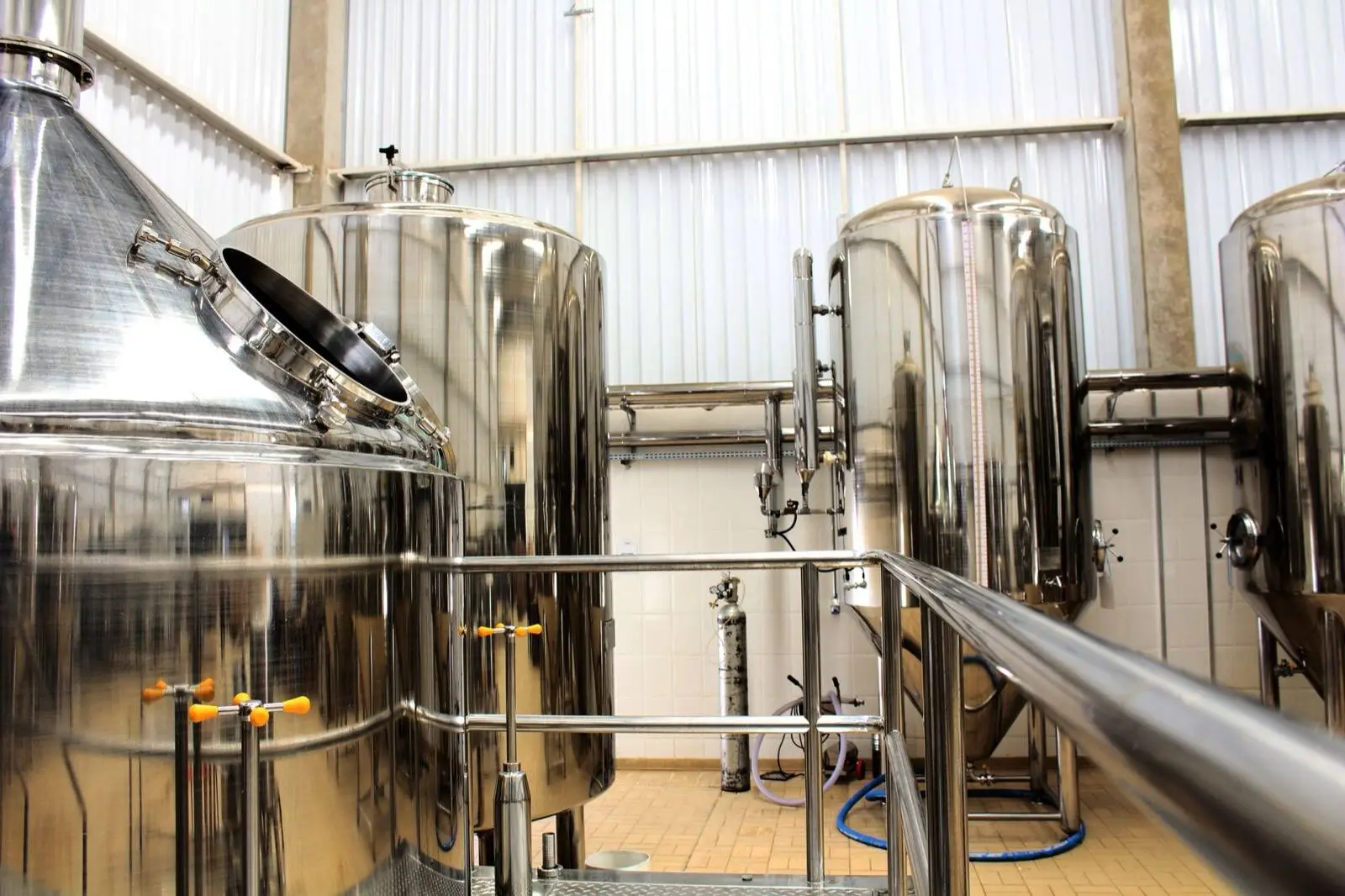
Image is representative; the actual product may differ per project.
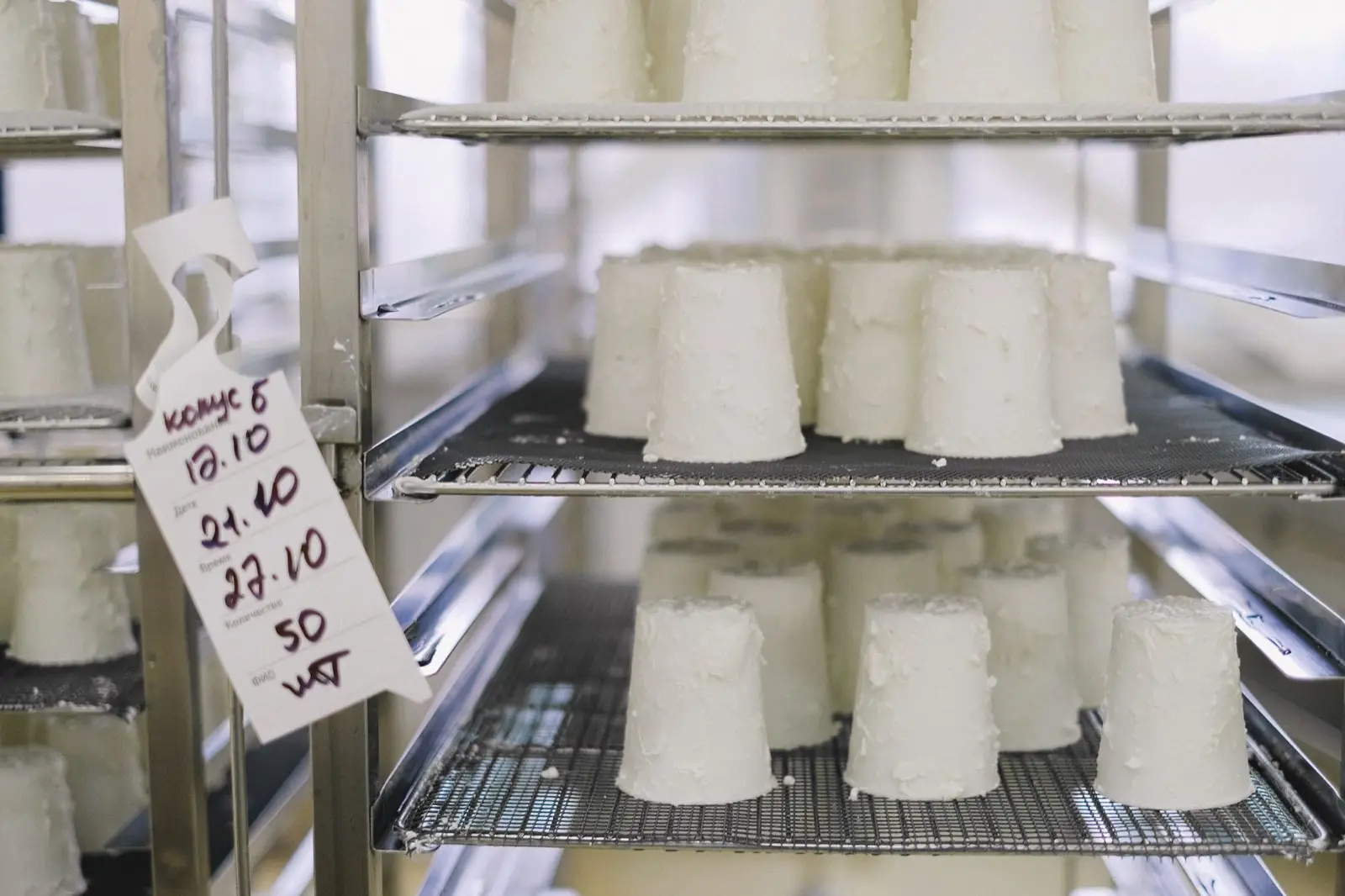
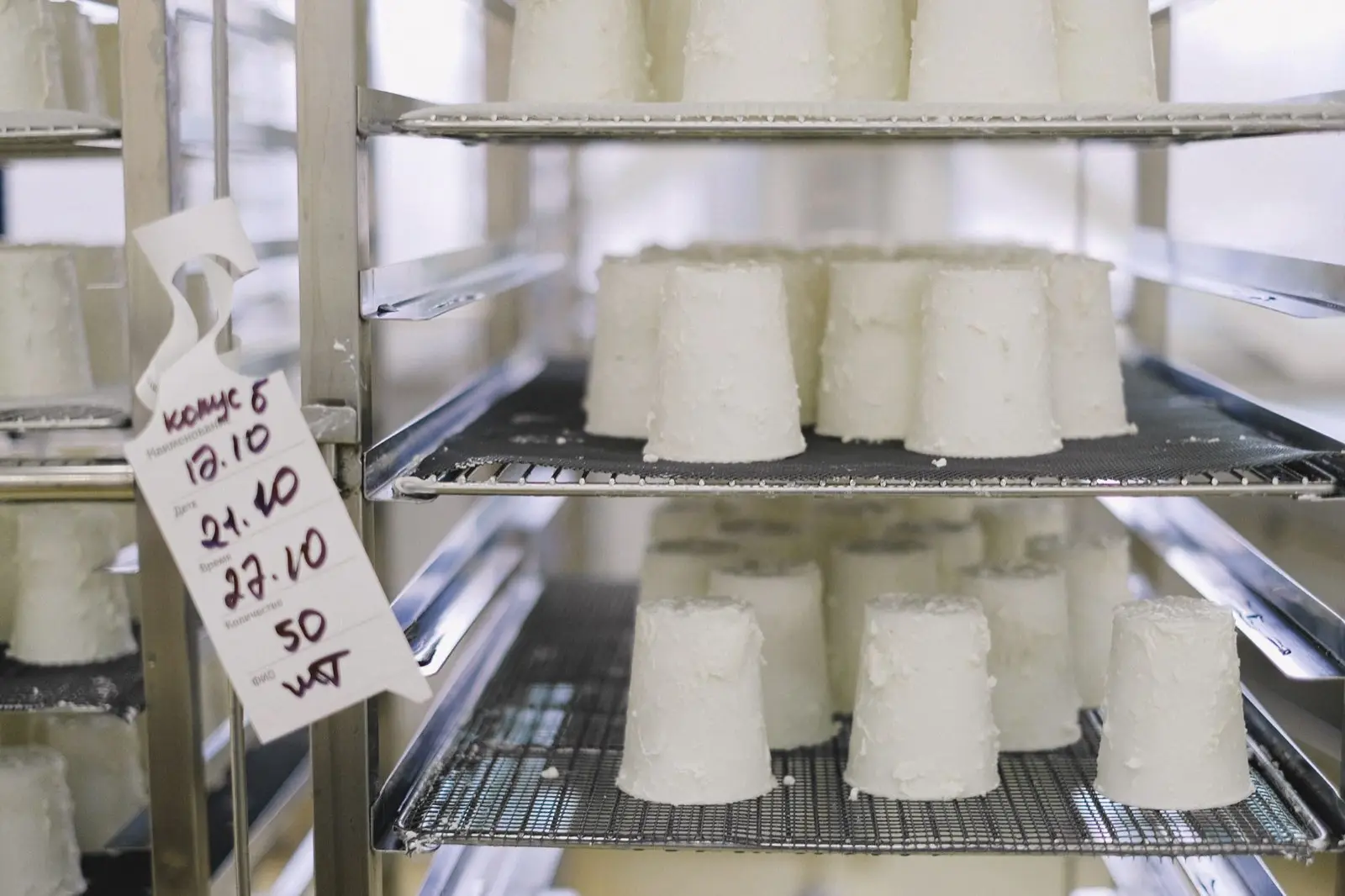
Image is representative; the actual product may differ per project.
Cheese & Kashar Equipment
About the product
In labneh and cream cheese, product consistency depends on how much whey is removed from the curd. Draining too briefly leaves the product watery; too long makes it dry and hard.
The unit carries draining bags or perforated trays on a stainless frame; dripping whey is collected in a drip tray and discharged from a single point. The whole structure is built cornerless and sloped for easy washing.
Capacity, number of bags, and layout are set by your daily milk volume. The unit can be used in a cold room. For larger volumes, separator or ultrafiltration options are also considered.
Who is it for?
- Dairies making labneh or strained cheese
- Plants that want controlled draining of cream cheese curd
- Investors setting up a cream cheese line
- Producers who want to organize manual bag draining
When is it not suitable?
- For plants with very high daily volumes and continuous production, a separator or ultrafiltration is more suitable.
- For products set directly with acid that need no draining, this unit may not be needed.
Key features
- Stainless frame and drip tray
- Bag or perforated tray draining layout
- Single-point whey discharge
- Cornerless, sloped, easy-to-wash build
- Suitable for cold-room use
- Modular expansion by capacity
Use cases
- Dairies making labneh
- Plants preparing cream cheese curd
- Strained yogurt and strained cheese producers
- Investors setting up a cream cheese line
Technical specs
- Material
- AISI 304 stainless steel; AISI 316L on product-contact surfaces on request
- Capacity
- 200–5,000 L of curd per batch (typical)
- Draining time
- 6–18 hours, by target consistency (typical)
- Environment
- Cold room (+4–8 °C) or cool production area
- Draining layout
- Draining bag or perforated tray
- Discharge
- Drip tray, single-point drain
- Build
- Cornerless, sloped, easy to wash
- Expansion
- Modular; bag/tray count can be increased
Values shown are typical industry ranges; exact figures are set in the quote based on capacity and site.
Last updated:
Get a quote for this product
Share daily milk volume and how you’ll use it; we’ll respond with a capacity recommendation and quote.
Request a quote0536 374 98 38Monday – Saturday · 08:30 – 18:00. See the FAQ for technical questions. FAQ.
How it works
- 01
Curd loading
Fermented curd is placed into draining bags or trays.
- 02
Draining
6–18 hoursWhey separates by gravity and collects in the drip tray.
- 03
Consistency check
Draining stops when the target dry matter is reached.
- 04
Discharge
Drained curd is moved to the cooker or to packing.
| Method | Suitable scale | Key trait |
|---|---|---|
| Bag / tray draining | Small and medium (typically a few tonnes of milk per day) | Low investment, simple operation; long draining time |
| Separator | Medium and large | Continuous, short time; needs extra equipment and maintenance |
| Ultrafiltration (UF) | Large | High yield and consistent dry matter; high investment |
Optional equipment
- Perforated tray set
- Extra draining bags
- Wheeled transport trolley
- Whey collection tank
- Cold room layout design
- Separator / ultrafiltration integration
What determines the price?
- Volume to be drained per batch (within the 200–5,000 L range)
- Number and layout of bags or trays
- Material grade: AISI 304, or 316L on product-contact surfaces
- Extras such as a trolley and whey tank
- Cold room layout and floor dimensions
- Separator or ultrafiltration integration and shipping distance
For an exact price, tell us your daily milk volume and how you will use it.
Request a quote