Cheese & Kashar Equipment
White Cheese Vat — Double-Wall Vat with Cutting Wires
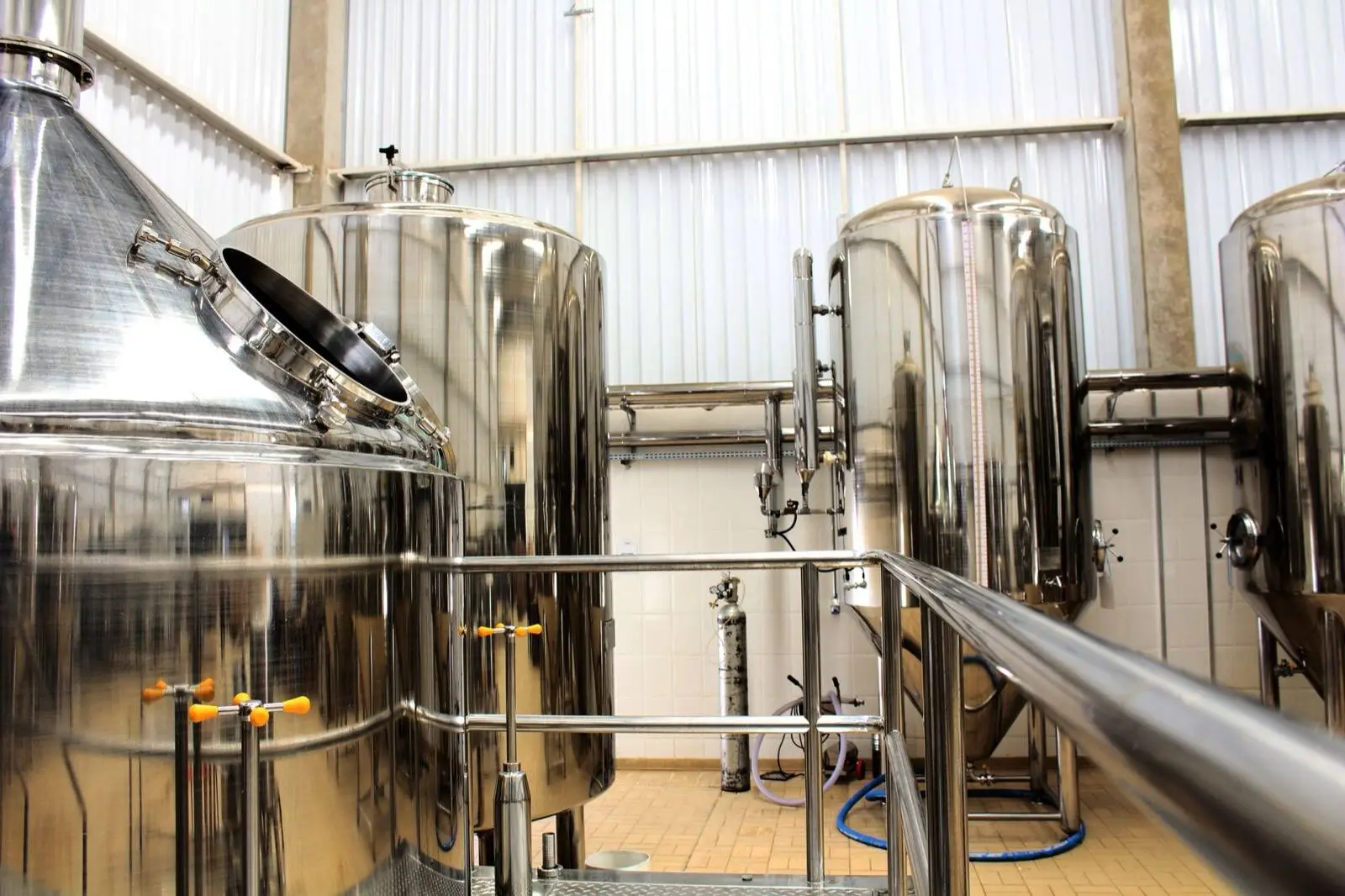
In the cheese vat, milk is brought to renneting temperature, coagulated, and cut with wires. Vat design directly affects yield and curd quality.
In short
The white cheese vat is a double-wall cheese vat that holds milk at renneting temperature, coagulates it, and cuts the curd with wires to prepare the curd. It is built from 500 to 10,000 L, with renneting at 30–35 °C. A sloped bottom and draining valve make it easy to discharge whey and curd.
- Volume
- 500–10,000 L
- Renneting
- 30–35 °C
- Temperature control
- Double wall
Image is representative; the actual product may differ per project.
Cheese & Kashar Equipment
About the product
For the coagulum to form uniformly, temperature must be steady and the environment calm. The size to which the curd is cut determines how much whey it retains, so the vat must be designed correctly for both heating and cutting.
Hot water circulating between the double walls keeps milk at renneting temperature, and insulation limits heat loss. Stainless cutting wires (harp and knife frames) cut the curd; the sloped bottom and draining valve make it easy to discharge whey and curd.
The vat is engineered in rectangular or oval form, with a mechanical agitator and cutter or manual. In kashar production, the same vat is the first step where the curd is prepared.
Who is it for?
- Dairies making white, tulum, or village cheese
- Kashar producers preparing kashar curd
- Plants that need a coagulation vat for lor production
- Cheese plants sizing batches to their daily milk volume
When is it not suitable?
- It does not cook or stretch the curd; kashar also needs a separate cooker-stretcher.
- Cutting and stirring large volumes by hand makes uniform cutting harder; a motorized cutter is recommended.
Key features
- Double-wall heating with hot water
- Stainless cutting wires
- Sloped bottom and wide draining valve
- Polyurethane insulation
- Adjustable stainless legs
- Mechanical cutting/agitation option
Use cases
- White cheese
- Tulum and village cheese
- Kashar curd
- Lor
Technical specs
- Material
- AISI 304 stainless steel; AISI 316L on product-contact surfaces on request
- Volume
- 500–10,000 L
- Form
- Rectangular or oval
- Heating
- Hot water or steam through the jacket
- Renneting temperature
- 30–35 °C
- Cutting
- Manual frames or motorized cutter
- Discharge
- Bottom draining valve, DN50–DN80
- Cleaning
- Manual or CIP
Values shown are typical industry ranges; exact figures are set in the quote based on capacity and site.
Last updated:
Get a quote for this product
Share daily milk volume and how you’ll use it; we’ll respond with a capacity recommendation and quote.
Request a quote0536 374 98 38Monday – Saturday · 08:30 – 18:00. See the FAQ for technical questions. FAQ.
How it works
- 01
Milk filling and heating
30–35 °CMilk is taken into the vat and brought to renneting temperature through the jacket.
- 02
Rennet addition and coagulation
60–90 minRennet is added and the milk is left undisturbed to coagulate.
- 03
Curd cutting
The coagulum is cut to the desired size with cutting wires.
- 04
Whey drainage
Whey is removed through the draining valve.
- 05
Curd transfer
The curd is moved to moulds or to the draining unit.
Optional equipment
- Motorized cutting and agitation
- Temperature control panel
- Whey collection tank
- Mould and press trolley
- Lid
Part of the Kashar Production Line
We supply this machine standalone or as one step of a turnkey line.
What determines the price?
- Vat volume (within the 500–10,000 L range) and form (rectangular or oval)
- Material quality (AISI 304, or AISI 316L on product-contact surfaces)
- Hot water or steam heating through the jacket, and insulation
- Manual frames or motorized cutting and stirring
- Selected options (temperature panel, whey tank, press trolley, lid)
- Installation and shipping distance
For an exact price, tell us your daily milk volume and how you will use it.
Request a quoteQuestions about this product
How is vat volume chosen? #
- Volume is set by daily milk quantity and the number of batches planned per day.
Can it be used for kashar curd too? #
- Yes. In kashar production, the same vat is used in the first step where the curd is prepared.
Is a motorized cutter necessary? #
- On large vats a motorized cutter is recommended for uniform cutting of the curd. Manual frames may be enough for small vats.