Product category
Milk Reception, Cooling & Transport
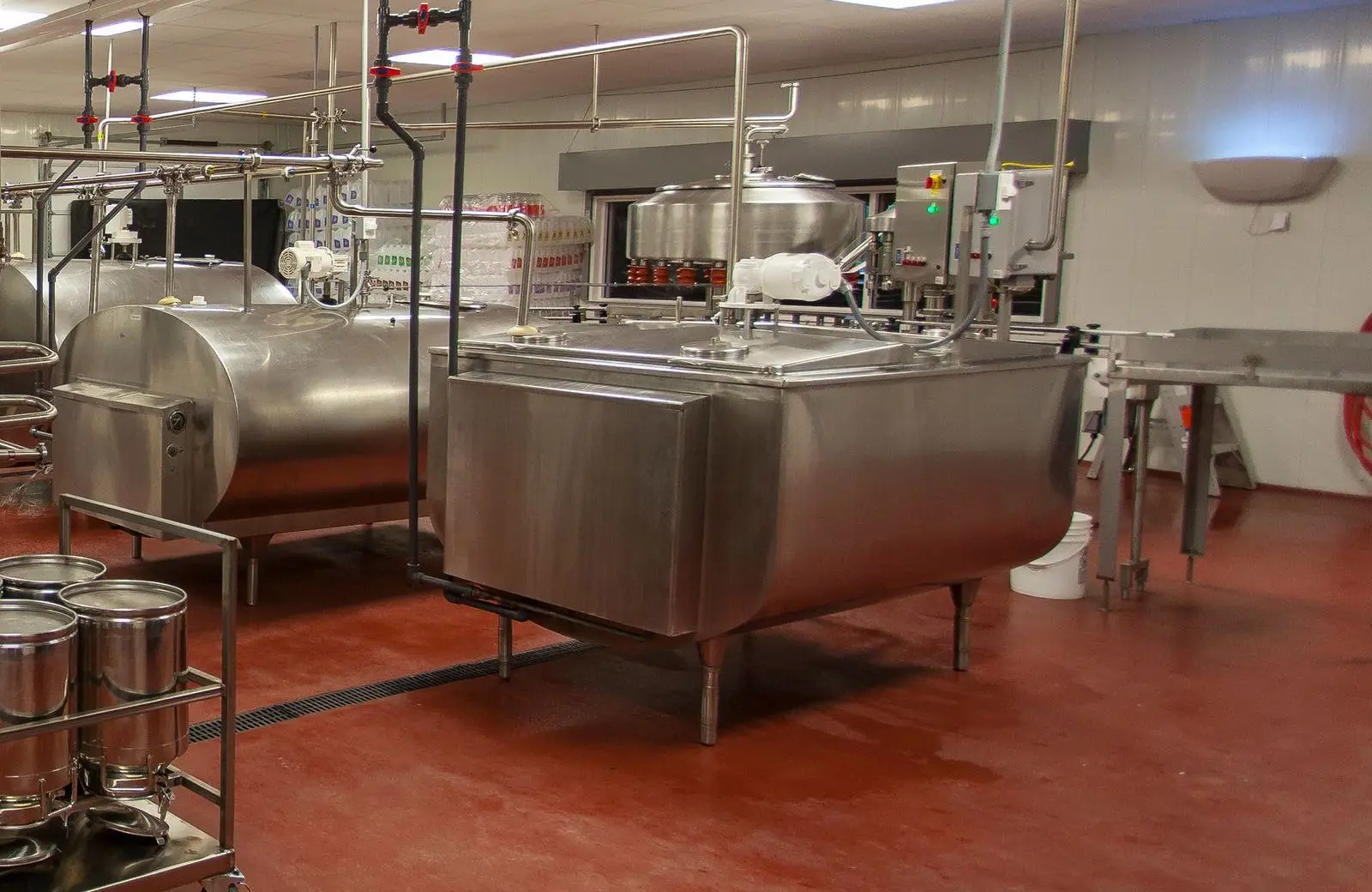
Raw milk quality is decided in the first hours. We engineer reception, suction, cooling, and transport equipment as a single package so the cold chain stays unbroken.
How do you choose the right equipment in this category?
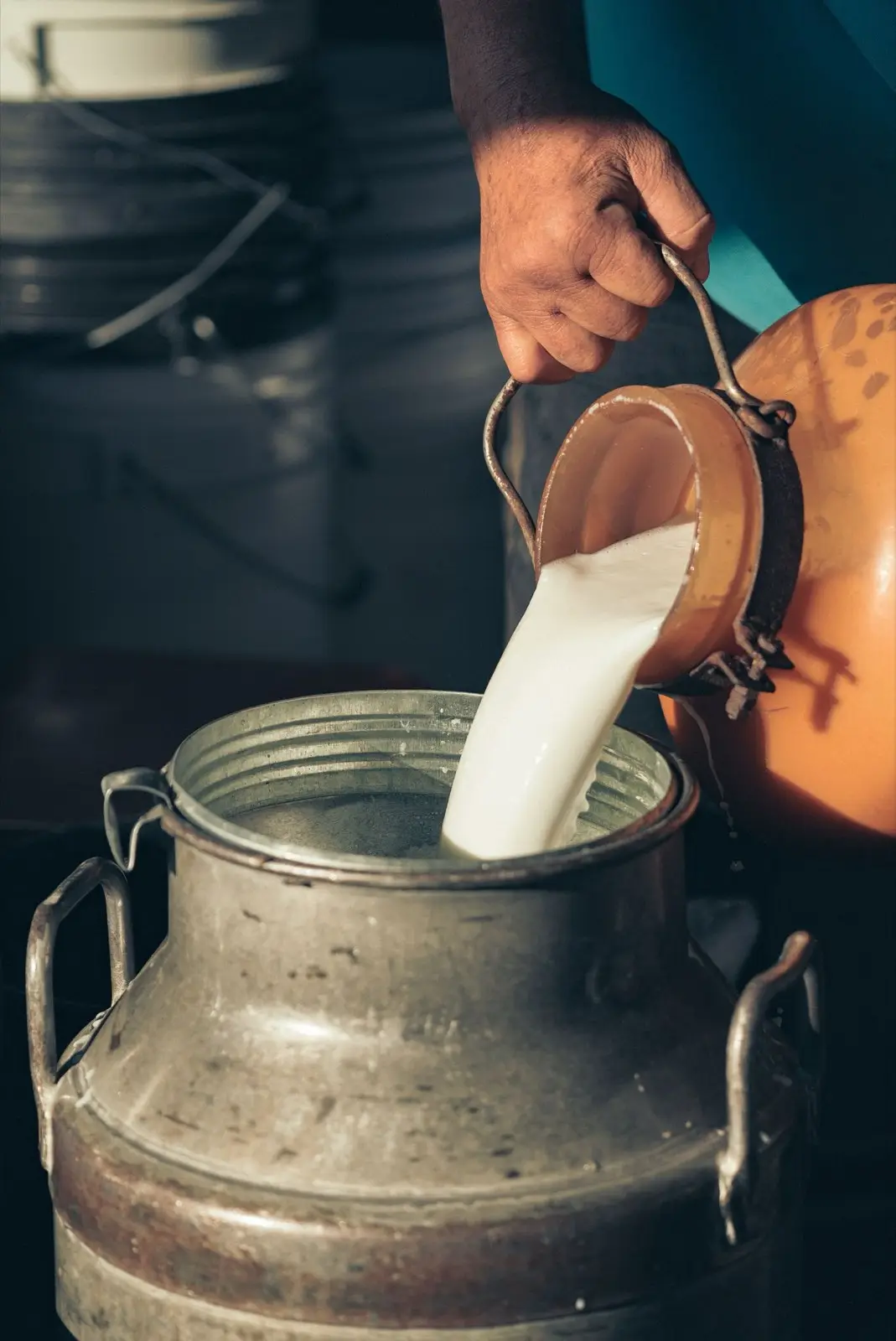
Choose milk reception and cooling equipment by your daily milk volume, how milk reaches the plant, and your cooling target. Milk must reach +10 °C within the first hour and +4 °C by the end of the second, so size tank capacity not only for daily volume but for storing 2 or 4 milkings.
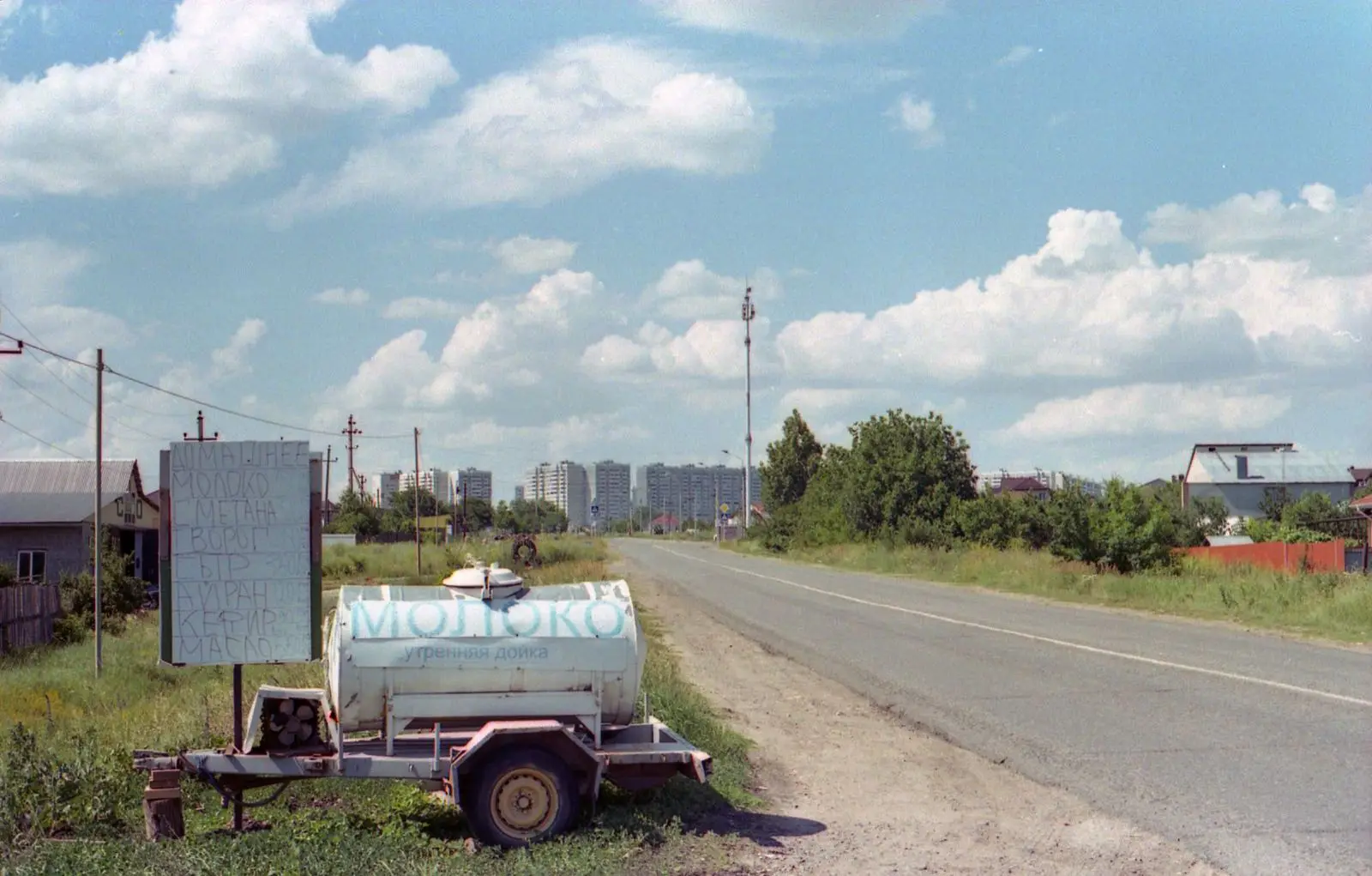
Scales differ by product. Cooling tanks run from 300 to 10,000 L, reception units from 2,000 to 20,000 L/h, suction units from 3,000 to 10,000 L/h, and transport tanks from 1,000 to 15,000 L. If you keep milk from different producers separate, a transport tank with 1–4 compartments fits; if you want uninterrupted filtering at intake, choose a reception unit with a double-body filter.
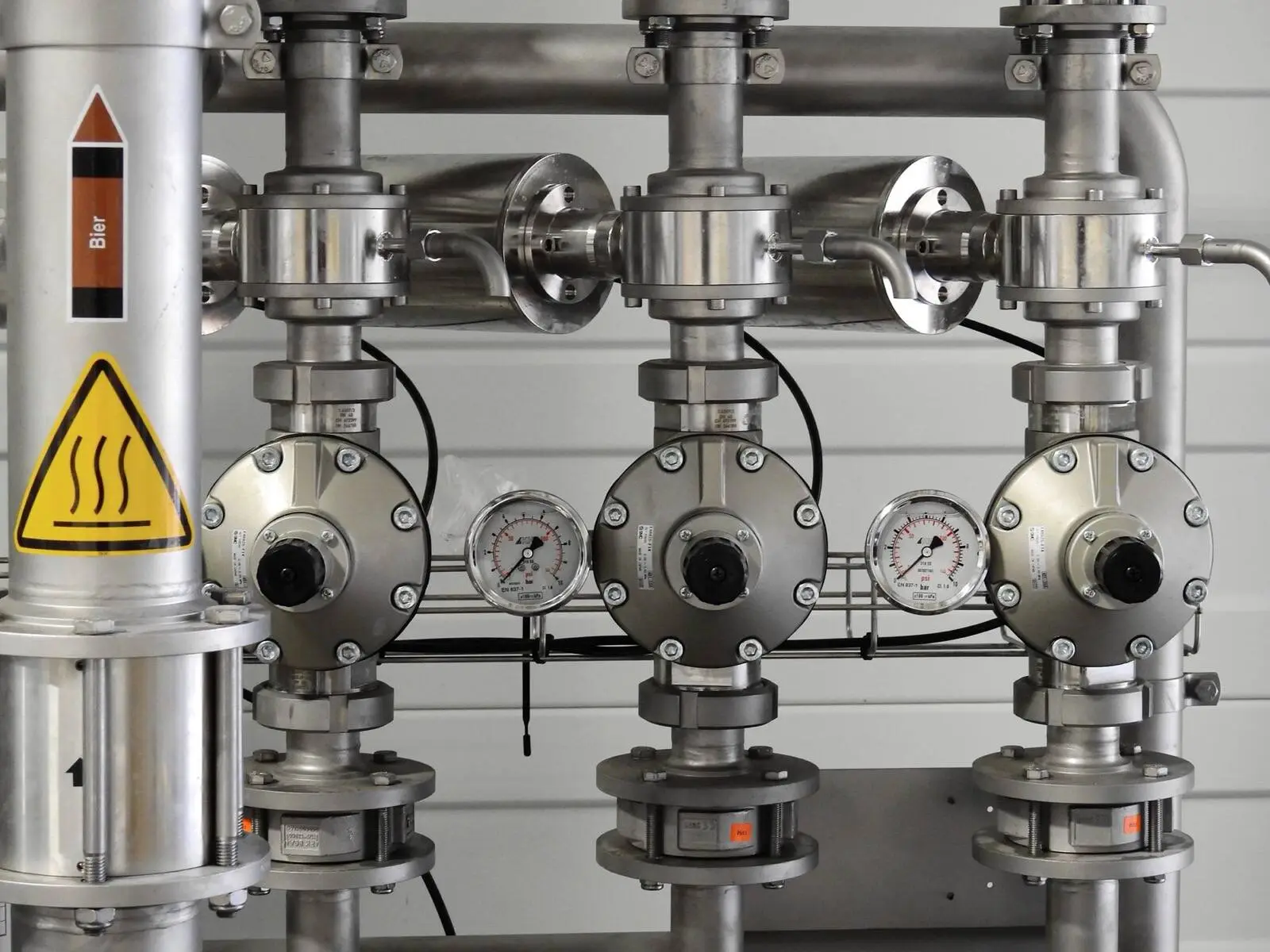
AISI 304 stainless steel is standard, with AISI 316L on product-contact surfaces on request. To protect the cold chain, tanks carry 50–80 mm of polyurethane insulation and transport tanks 50–100 mm. The reception unit and the transport tank can be cleaned by CIP.
Questions about this product
What size should a milk cooling tank be? #
- It depends on your daily milk volume and how many milkings the tank must store. Our tanks are typically engineered between 300 and 10,000 L with a capacity of 2 or 4 milkings. Your milking volume and collection frequency are enough to determine the right size.
Is a milk suction unit the same as a milk reception unit? #
- No, they do different jobs. A suction unit pumps milk out of cans or a tank and transfers it; a reception unit filters incoming milk, removes air, and records the litres. Suction units suit small collection points, while reception units suit the plant intake.
When should a transport tank have compartments? #
- Choose compartments when you carry milk from different farms as separate batches. Our transport tanks can be built with 1–4 compartments. If you collect from a single source, a tank without compartments is simpler and easier to clean.
Can't find the machine you need?
We build stainless equipment to your size and capacity.