Milk Reception, Cooling & Transport
Milk Reception Unit
Milk arriving by tanker or can is filtered, de-aerated, and metered before processing. The reception unit combines these jobs on a single frame.
In short
A milk reception unit is a stainless reception machine that filters incoming raw milk, removes its air, measures its litres, and transfers it to the tank. The double-body filter keeps reception running while one side is cleaned; typical capacity is 2,000–20,000 L/h. Pump, de-aeration tank, and meter share one frame, and the piping can be cleaned by CIP.
- Reception capacity
- 2,000–20,000 L/h
- Uninterrupted filtering
- Double filter
- Recorded reception
- Litre meter
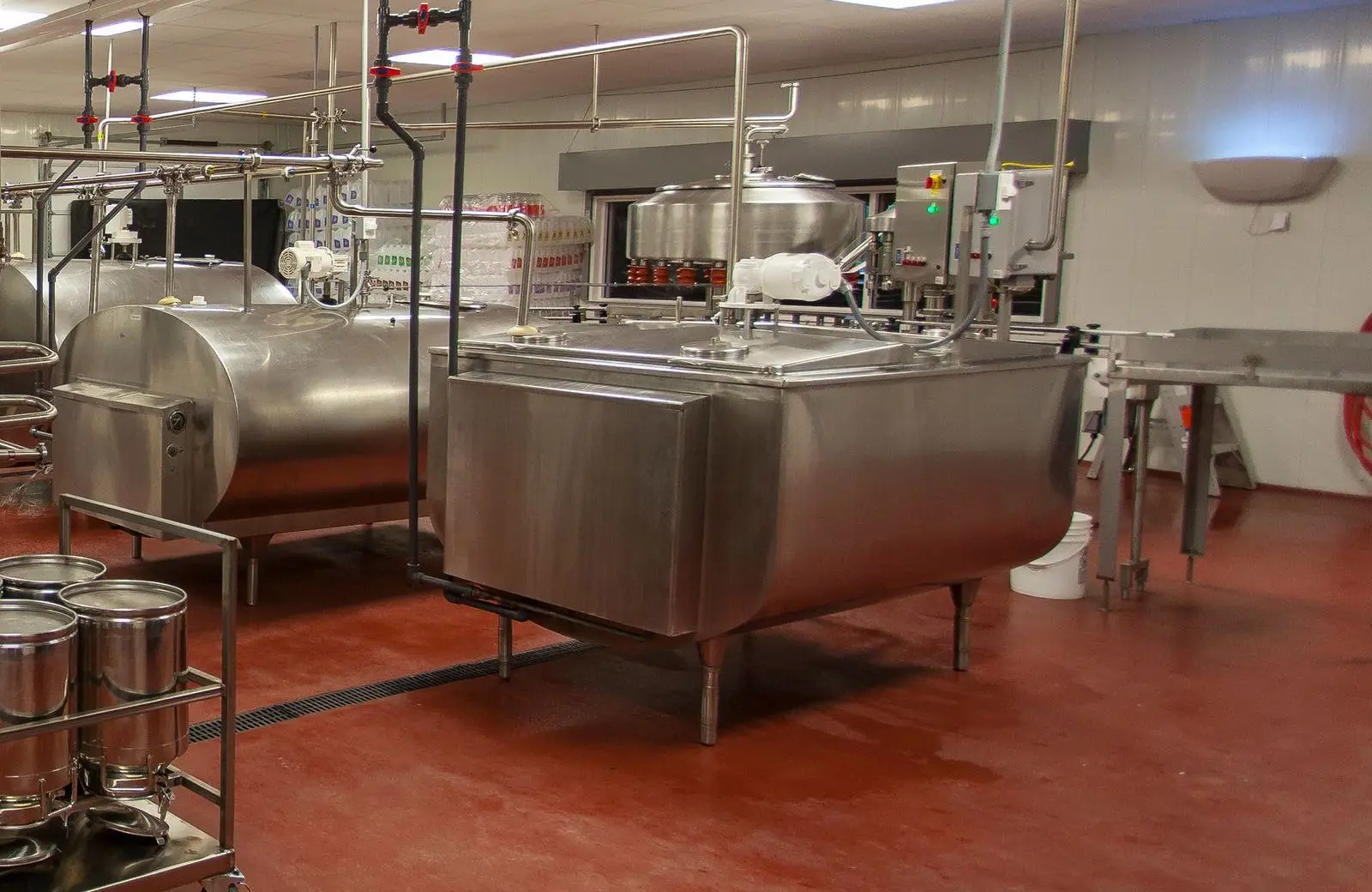
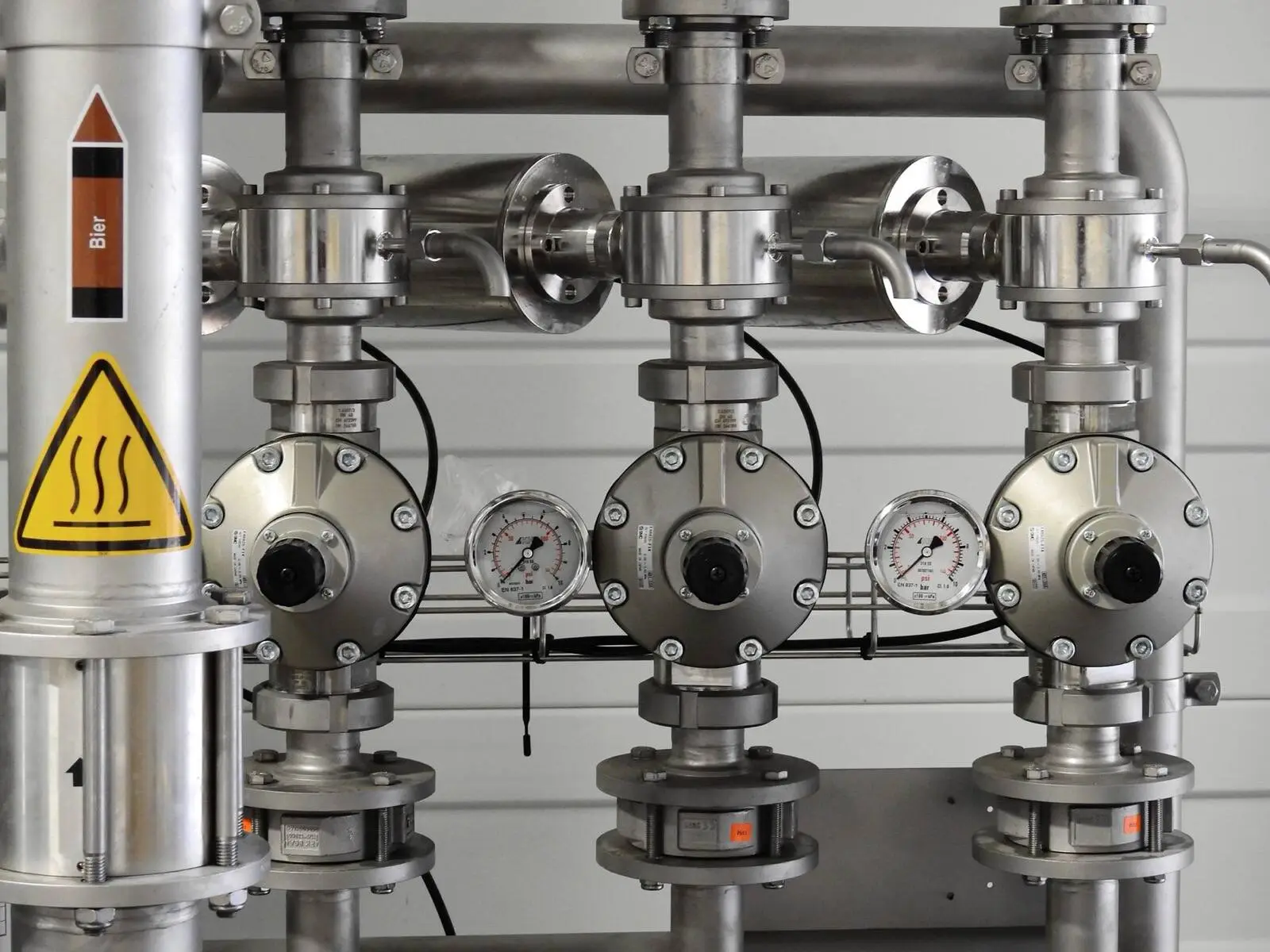
Image is representative; the actual product may differ per project.
Milk Reception, Cooling & Transport
About the product
The milk reception point is the first quality checkpoint. Foreign matter and air arriving with the milk cause meter errors and foaming, which affect both measurement accuracy and later process steps.
The unit combines a double-body filter, de-aeration tank, centrifugal pump, and meter on a stainless frame. While one filter is cleaned, the other keeps running, so reception is never interrupted. The piping can be cleaned by clean-in-place (CIP).
Capacity, meter type, automation level, and tank connection are engineered per project. It connects to your existing cooling or process tank according to the coupling and line size.
Who is it for?
- Dairies receiving milk by tanker or can
- Processing plants that want incoming milk recorded by the litre
- Milk collection centres and cooperatives
- Facilities adding a reception line to an existing cooling or process tank
When is it not suitable?
- Very small operations that empty a few hundred litres by hand may find a simpler milk drawer sufficient.
- It does not heat-treat milk; a pasteurizer must be planned separately.
Key features
- Double-body stainless milk filter
- De-aeration tank
- Stainless centrifugal milk pump
- Recorded reception with litre meter
- Compact design on a single frame
- CIP (clean-in-place) compatible piping
Use cases
- Dairies
- Dairy processing plants
- Milk collection centres
- Cooperatives
Technical specs
- Material
- AISI 304 stainless steel; AISI 316L on product-contact surfaces on request
- Capacity
- 2,000–20,000 L/h (typical)
- Pump
- Stainless centrifugal, 2.2–5.5 kW
- Filter
- Double body, replaceable strainer
- Metering
- Mechanical or electromagnetic meter
- Connection
- DN50–DN80, DIN 11851 coupling
- Power supply
- 380 V, 3-phase
- Cleaning
- CIP compatible
Values shown are typical industry ranges; exact figures are set in the quote based on capacity and site.
Last updated:
Get a quote for this product
Share daily milk volume and how you’ll use it; we’ll respond with a capacity recommendation and quote.
Request a quote0536 374 98 38Monday – Saturday · 08:30 – 18:00. See the FAQ for technical questions. FAQ.
How it works
- 01
Connection
The tanker or can hose is connected to the unit's inlet coupling.
- 02
Filtering
Milk passes through the double-body filter; foreign matter is retained.
- 03
De-aeration
The de-aeration tank removes air from the milk and prevents foaming.
- 04
Metering
The meter records the litres of milk received.
- 05
Transfer
The pump sends milk to the cooling or process tank.
Optional equipment
- Electromagnetic flow meter
- Plate pre-cooler
- Sampling valve
- Control panel with receipt printer
- Automatic stop with level sensor
- Stainless wheeled frame
What determines the price?
- Reception capacity (L/h) and line size (DN50–DN80)
- Material quality (AISI 304, or 316L on product-contact surfaces)
- Meter type (mechanical or electromagnetic)
- Automation level (level-sensor automatic stop, control panel with receipt printer)
- Selected options (plate pre-cooler, sampling valve, wheeled frame)
- Installation site and transport distance
For an exact price, tell us your daily milk volume and how you will use it.
Request a quoteQuestions about this product
Why is a reception unit needed? #
- Milk is freed of foreign matter, de-aerated, and measured accurately before processing. This protects both product quality and the reliability of reception records.
Can it be connected to my existing tank? #
- Yes. The connection is engineered according to your tank's coupling type and line size.
How is the meter type selected? #
- A mechanical or electromagnetic meter is chosen based on required accuracy and record-keeping needs. Pricing is set in the quote.