Process & Heat Treatment
Pasteurizer — Plate and Kettle Type
Pasteurization is the core heat treatment that makes milk and dairy products safe. Depending on capacity, we build a continuous plate system or a batch kettle system.
In short
A pasteurizer is a stainless heat-treatment machine that holds milk at a set temperature for a set time to eliminate pathogens. The plate (HTST) model holds milk at 72–75 °C for 15–20 seconds; the kettle type uses 63–65 °C for about 30 minutes. The plate system handles 1,000–20,000 L/hour and recovers 85–90% of heat.
- HTST (plate)
- 72–75 °C / 15–20 s
- Kettle type
- 63–65 °C / 30 min
- Heat recovery (plate)
- 85–90%
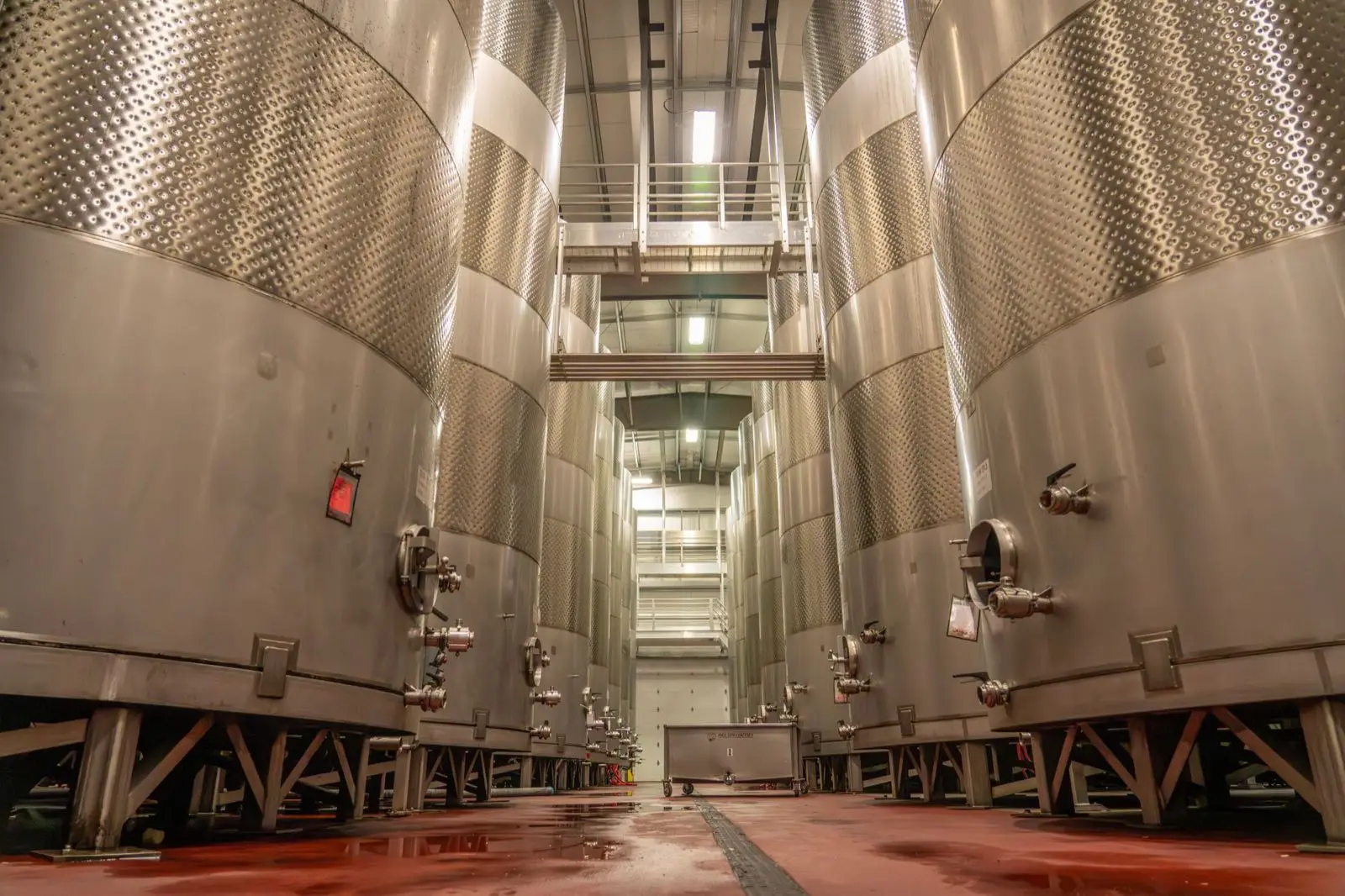
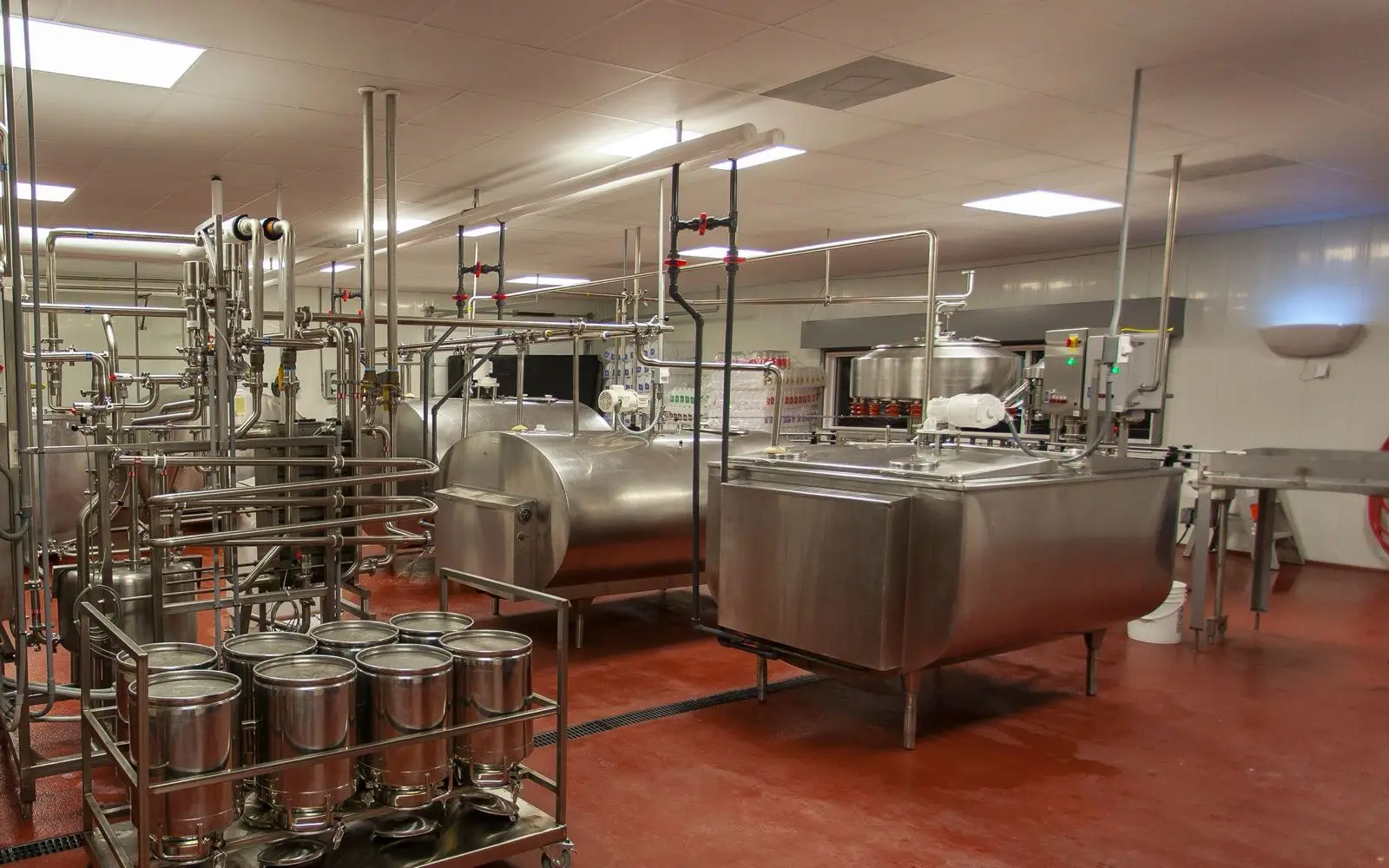
Image is representative; the actual product may differ per project.
Process & Heat Treatment
About the product
In pasteurization, temperature and holding time are set together. Insufficient heat treatment creates a food safety risk, while excess heat spoils flavor and texture. That is why temperature control and time assurance are the most critical features of the machine.
In a plate system, the regeneration section preheats incoming cold milk with outgoing hot milk, which lowers energy consumption. The holding tube, automatic flow diversion valve, and temperature recording show that heat treatment is applied correctly along the line. The whole piping can be cleaned by CIP.
The kettle-type pasteurizer suits small facilities and cheese makers. Steam, electricity, or hot water can be chosen as the heating source; capacity and control level are engineered to your daily milk volume.
Who is it for?
- Dairies
- Cheese makers
- Yogurt and ayran producers
- Dairy processing plants
When is it not suitable?
- For very small, batch-based operations a plate system may be unnecessary investment; the kettle type fits better.
- Continuous volumes above 20,000 L/hour are outside the typical plate range.
Key features
- Plate (continuous) or kettle (batch) option
- Regenerative heat recovery
- Holding tube and automatic flow diversion valve
- Digital temperature control and recording
- Hot water set (heat exchanger + pump)
- CIP-compatible piping
Use cases
- Dairies
- Cheese makers
- Yogurt and ayran producers
- Dairy processing plants
Technical specs
- Material
- AISI 304 stainless steel; AISI 316L on product-contact surfaces on request
- Type
- Plate HTST / Kettle type
- Capacity (plate)
- 1,000–20,000 L/hour
- Capacity (kettle)
- 100–2,000 L/batch
- Heating
- Steam, electricity, or hot water
- Cooling outlet
- Down to +4 °C (with ice water)
- Control
- PLC + touch panel or digital thermostat
- Cleaning
- CIP
Values shown are typical industry ranges; exact figures are set in the quote based on capacity and site.
Last updated:
Get a quote for this product
Share daily milk volume and how you’ll use it; we’ll respond with a capacity recommendation and quote.
Request a quote0536 374 98 38Monday – Saturday · 08:30 – 18:00. See the FAQ for technical questions. FAQ.
How it works
- 01
Balance tank
Raw milk is taken into the balance tank and fed to the machine at a constant flow.
- 02
Preheating by regeneration
Incoming cold milk is warmed by outgoing hot milk to save energy.
- 03
Heating and holding tube
72–75 °C · 15–20 sMilk is raised to pasteurization temperature and completes the holding time in the tube.
- 04
Flow diversion valve
If the temperature is insufficient, the diversion valve sends the milk back.
- 05
Cooling
Milk is brought down to storage temperature by regeneration and ice water.
| Feature | Plate (HTST) | Kettle type |
|---|---|---|
| Operation | Continuous | Batch |
| Temperature-time | 72–75 °C, 15–20 s | 63–65 °C, ~30 min |
| Capacity | 1,000–20,000 L/hour | 100–2,000 L/batch |
| Heat recovery | 85–90% | None |
| Suitable operation | Medium and large facilities | Small facilities, cheese makers |
| Investment | Higher | Lower |
Optional equipment
- Separator / standardization connection
- Homogenizer connection
- Temperature recording printer
- Steam generator
- Ice water unit connection
- Remote monitoring
What determines the price?
- Capacity (L/hour for plate, L/batch for kettle)
- Type (plate or kettle) and regeneration ratio
- Material quality (AISI 304 or 316L)
- Heating source (steam, electricity, or hot water) and cooling arrangement
- Automation level (PLC + touch panel or digital thermostat)
- Selected options (separator, homogenizer, recording printer, remote monitoring), installation and transport distance
For an exact price, tell us your daily milk volume and how you will use it.
Request a quoteQuestions about this product
Should I choose a plate or a kettle type? #
- It depends on daily milk volume. Plate type suits high, continuous volumes; kettle type suits small-batch production.
What temperature applies to cheese milk? #
- It varies with the product to be made and is set together with the process design.
How much energy does it consume? #
- Consumption depends on the regeneration ratio and heating source. The calculation is shared at the quote stage.